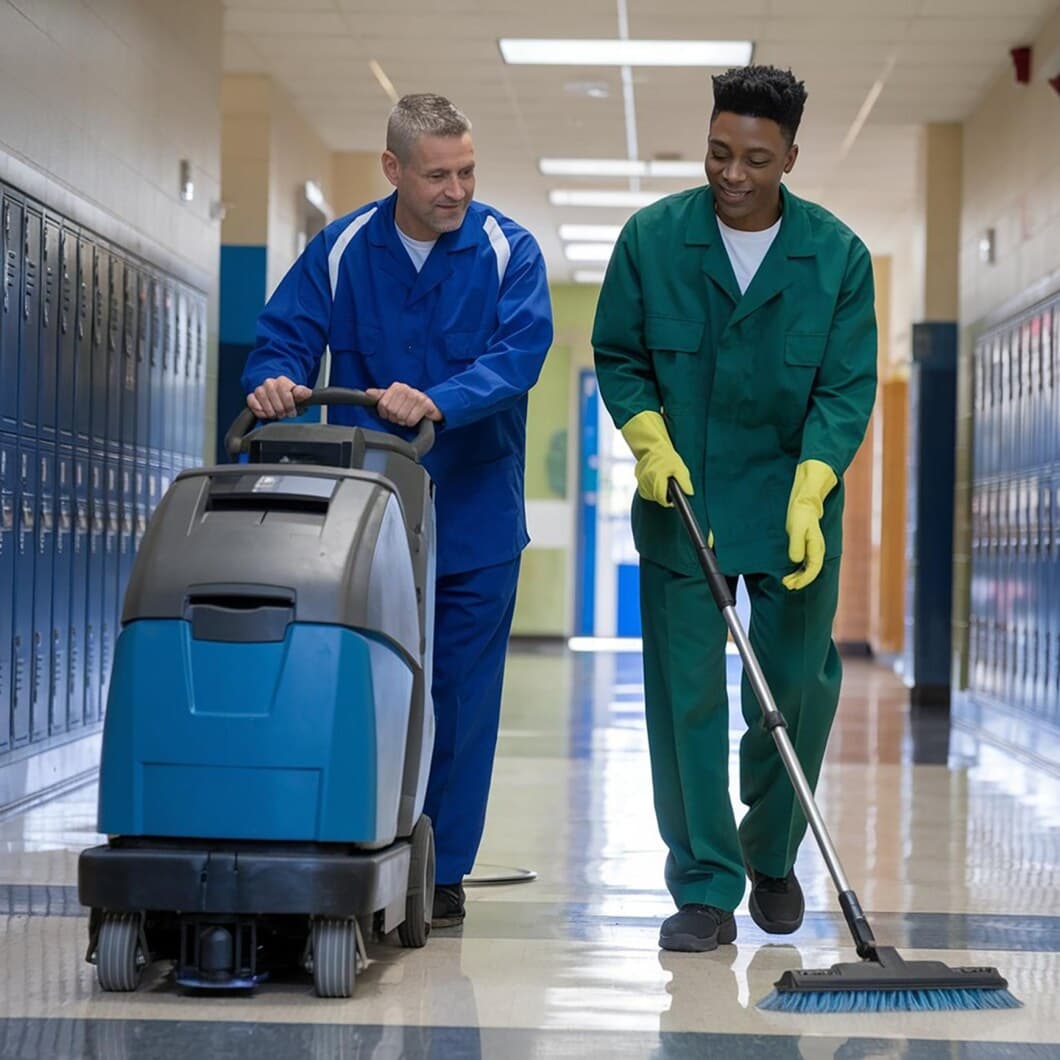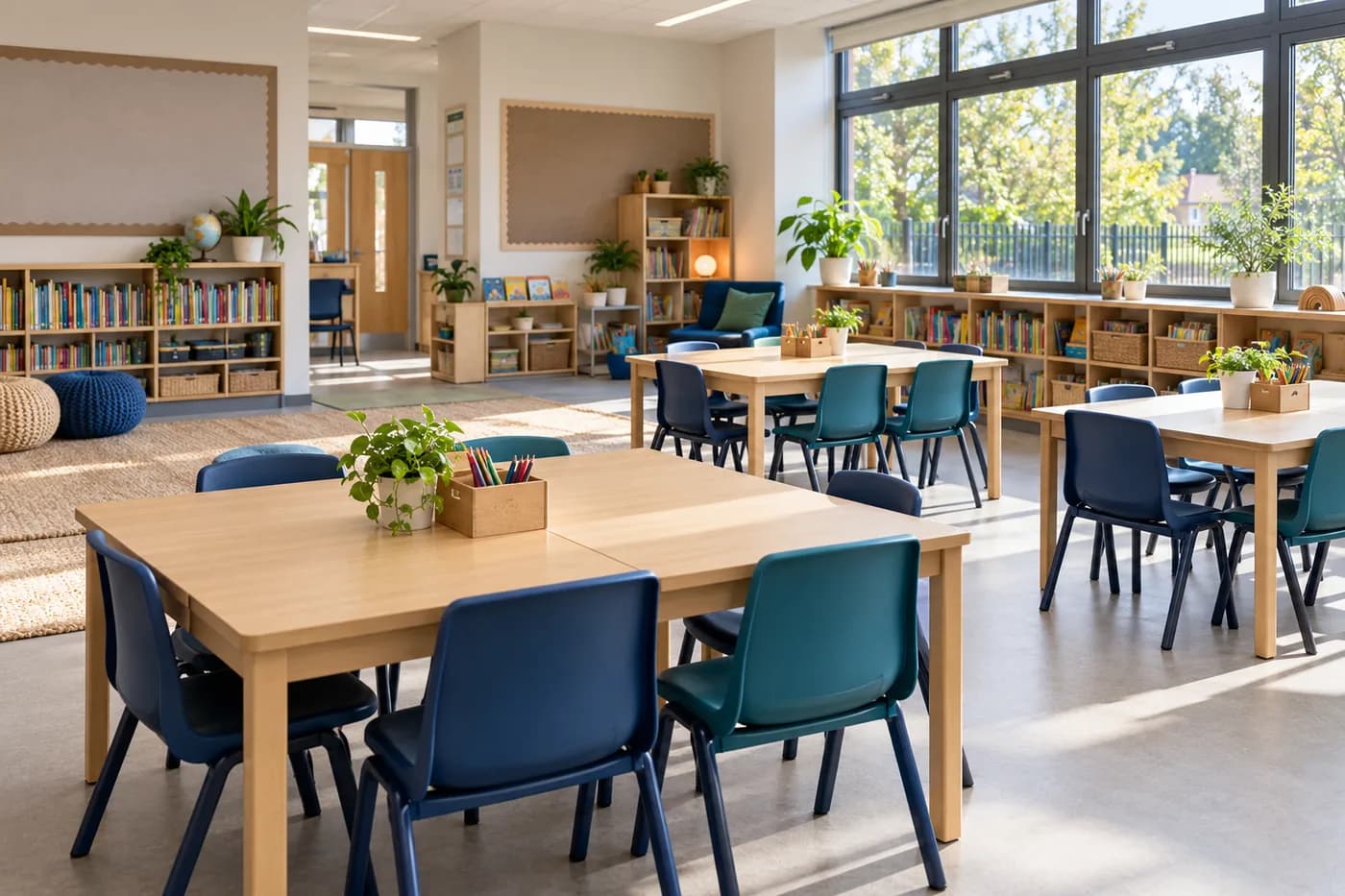
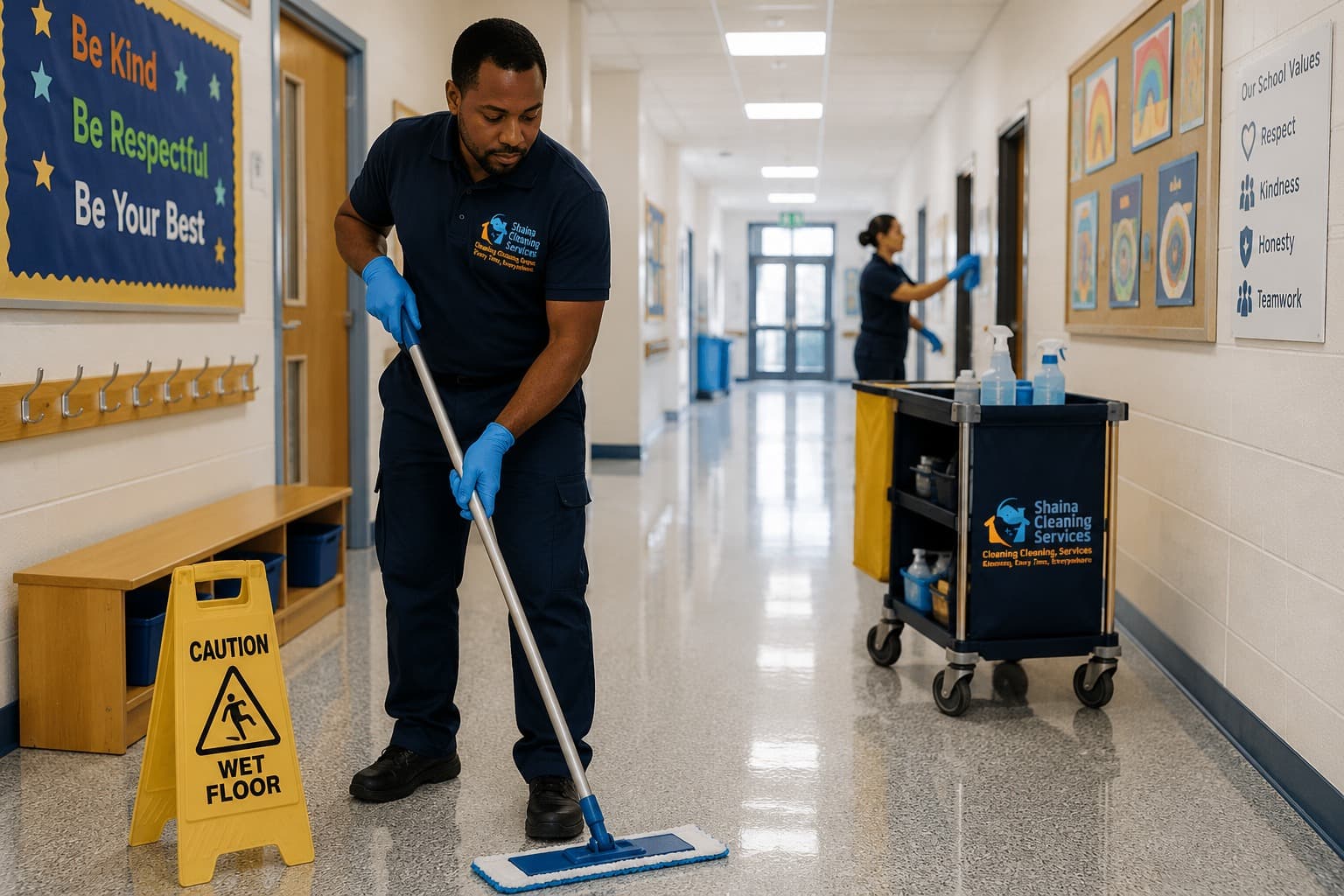
A classroom brings people together to learn, talk and share equipment. That daily contact also creates opportunities for infections to spread. A useful prevention plan begins with understanding the routes involved, rather than assuming that a visibly tidy room addresses every risk.
This guide is for school leaders reviewing their arrangements. It explains where environmental cleaning can help and the questions to take into a discussion with your site team or cleaning provider.
Different routes need different controls
Respiratory infections can spread through particles released into the air. Some infections also spread through direct contact or contaminated hands and objects. UKHSA explains these routes in its transmission guidance, linked below.
This is why cleaning should sit alongside ventilation, hand hygiene and respiratory hygiene. Wiping tables cannot control every route of transmission, and no contractor should promise an infection-free school.
Map the shared spaces
Walk through a normal school day: the entrance, cloakroom, classroom, lunch hall and washroom. Record the surfaces that many people touch and check who is responsible for each one. A door handle may fall into a gap between classroom and corridor specifications.
Include shared learning equipment in that discussion. Ask which items school staff clean between uses and which are part of the contractor’s routine. Check manufacturer instructions before applying products to electronics or teaching materials.
Make the handover practical
A useful specification states what will be done, when it will happen and how staff can report a concern. Give the school a named route for raising missed tasks, damaged surfaces or changes in room use.
Review the plan after a timetable change, building work or a new use of a space. Cleaning arrangements can become less effective when the building’s use changes but the task list stays the same.
Prepare for additional requirements
Identify the school lead who would coordinate an incident response and decide how additional cleaning requests reach the provider. Confirm access and escalation contacts before an urgent request is needed.
Follow current public-health advice for illness and outbreaks. A commercial cleaning plan supports the school’s response; it does not replace decisions by the school or its health protection advisers.
Sources & further reading
Reviewed 18 October 2026. This is general information for setting leaders; use current official guidance and your setting’s risk assessments.